Japanese Gel Nails: Potted Gels, Techniques & How They Differ
Quick Answer (Technical Summary)
Japanese gel nails refer to cosmetic-grade potted gel systems engineered without volatile solvents or nail-thinning nitrocellulose. Characterized by high pigment density, self-leveling viscosity, and zero cure shrinkage, Japanese gels are applied with dedicated nylon art brushes to provide long-lasting, flexible natural nail overlays without plate damage.
Key Takeaways
- Pure Gel Chemistry: 100% oligomer solids that do not evaporate or dry out in open pots.
- Zero Curing Shrinkage: Eliminates the "pull-back" effect commonly seen at cuticle and tip edges.
- Flexible Plate Adhesion: Bends naturally with the keratin plate to prevent stress fractures.
- JNA Standards: Rigorous manufacturing certifications ensuring low allergenicity.
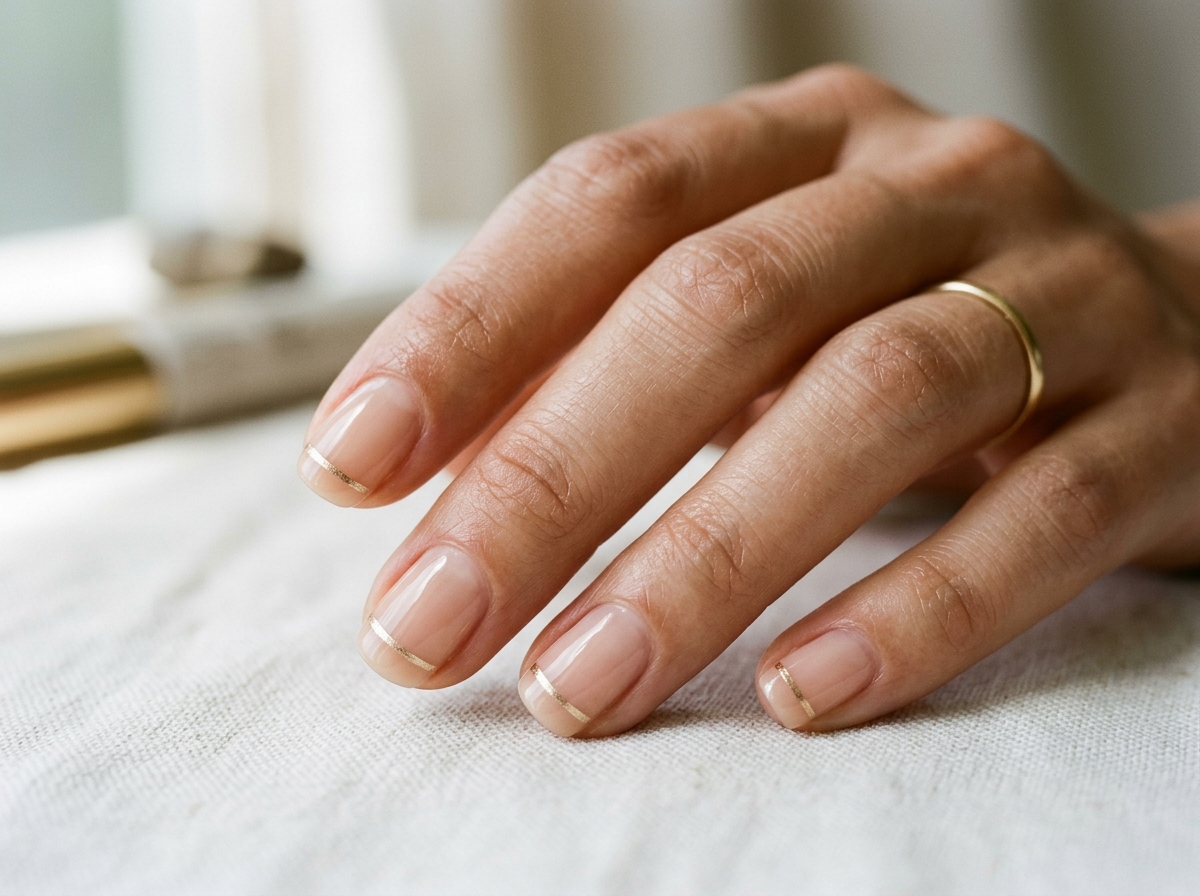
Potted Pure Gel vs. Western Hybrid Bottle Gel
Most mainstream Western gel polishes are "hybrid" formulas—a combination of UV-curing oligomers diluted with traditional lacquer solvents (such as ethyl acetate) so they can flow through a bottle dropper brush. While convenient, hybrid gels shrink during curing and release solvent vapors.
Japanese gels are pure oligomer gels. Because they contain zero evaporating solvents, 100% of the material applied to the nail remains on the nail after curing, ensuring structural stability and razor-sharp art lines.
| Property | Japanese Potted Pure Gel | Standard Hybrid Bottle Gel |
|---|---|---|
| Solvent Content | 0% (Pure Acrylate Resin) | 30% – 50% Lacquer Solvents |
| Curing Shrinkage | Zero shrinkage | Visible tip & side shrinkage |
| Pigment Saturation | Ultra-dense micro-milled pigment | Medium pigment dilution |
| Application Tool | Separate ergonomic art brush | Attached bottle cap brush |
Why Nail Technicians Choose Potted Systems
- Total Viscosity Control: Brushing directly from an open pot allows technicians to load exactly 0.05ml of product on the brush belly for razor-thin cuticle zones.
- Zero Heat Spike Formula: Gradual cross-linking photo-initiators generate significantly less exothermic heat during LED curing, protecting sensitive nail beds.
- Exceptional Flexibility: The polymerized gel matrix flexes with natural nail movement rather than snapping or chipping at stress points.
The Professional Dry Prep Standard
In Japan, nail preparation is regarded as medical-grade craftsmanship. Salons use dry machine prep (e-filing with diamond flame bits) to exfoliate non-living pterygium tissue from the proximal nail fold without cutting live skin. This clean canvas ensures seamless 4-week adhesion without acid primers.
Frequently Asked Questions
What makes Japanese gel nails different?
Japanese gels are 100% solvent-free potted pure gels that offer zero curing shrinkage, superior flexibility, and dense pigmentation.
Can Japanese gel be soaked off with acetone?
Yes. Most Japanese potted gel lines are semi-hard soft gels that soak off cleanly in acetone after the topcoat seal is filed.
Related NAILYZA Guides
- Pillar Hub: Japanese Gel Nails & Nuance Art Collection →
- Artistry Guide: Japanese Nuance Nails: Organic Stone & Gold Leaf Art →
- Sister Category: Korean Jelly Nails: 2026 Trend Analysis →
- Nail Health Foundation: Rubber Base vs Hard Gel: Protecting Natural Nails →