Rubber Base vs Hard Gel: Understanding the Structural Differences
Quick Answer (Chemical & Mechanical Comparison)
Rubber base and hard gel serve fundamentally different mechanical purposes. Rubber base is an elastic, soak-off acrylate copolymer that flexes synchronously with natural nail keratin, making it ideal for short-to-medium natural nails prone to bending. Hard gel is a tightly cross-linked, rigid polymer designed for long structural extensions that is completely impervious to acetone and must be removed by e-file debulking.
Key Takeaways
- Flexibility Ratio: Rubber base stretches under load; hard gel resists all torsional bending.
- Acetone Permeability: Rubber base dissolves in acetone soak-offs; hard gel is non-porous.
- Natural Plate Protection: Rubber base absorbs shock impacts, preventing painful onycholysis tears.
- Extension Capability: Hard gel can sculpt 3-inch extensions; rubber base is limited to overlays and mini-extensions.
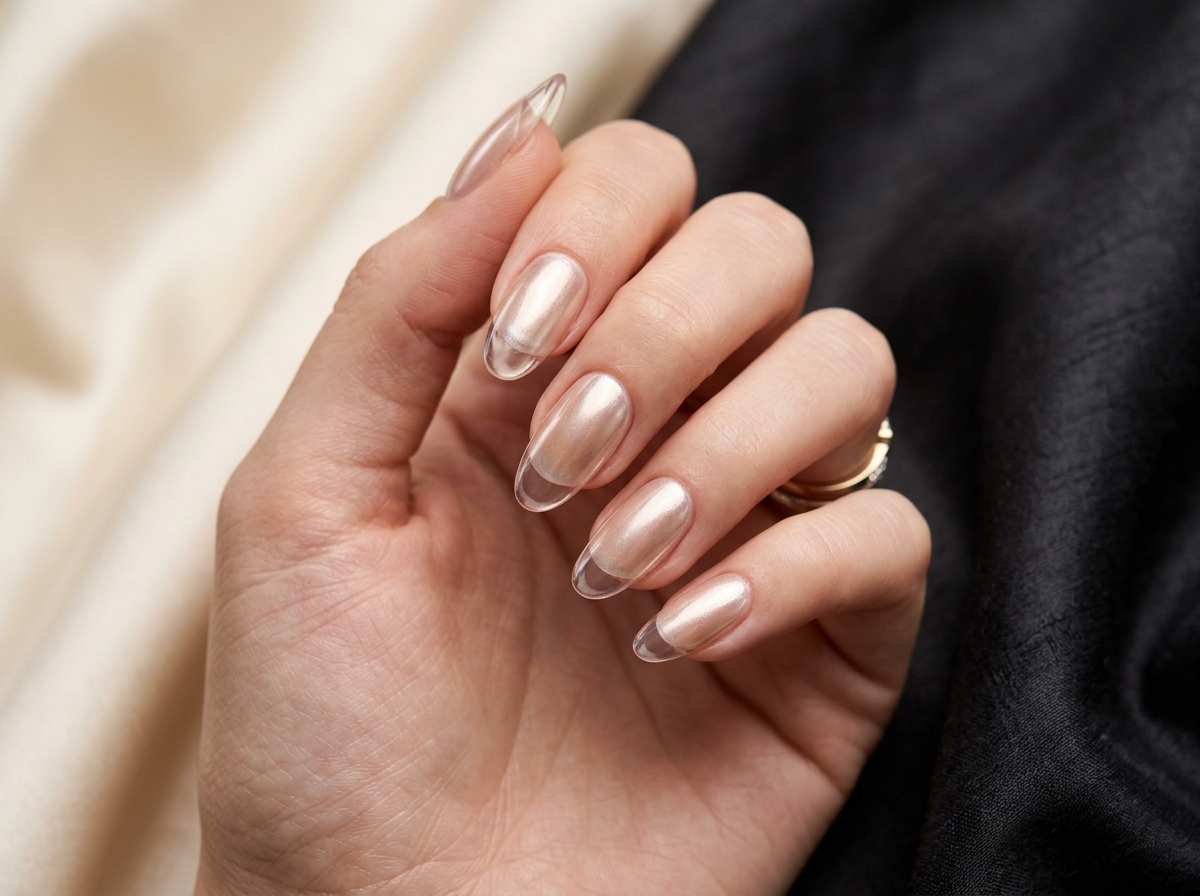
The Mechanics of Nail Plate Flexibility
The human nail plate is composed of approximately 100 to 150 layers of flattened, dead keratinized cells held together by intracellular lipids and water. When hands get wet or encounter pressure, natural nails expand, soften, and flex.
When a rigid overlay (like hard gel or acrylic) is applied to a thin, flexible natural nail, any mechanical bump causes the nail bed to flex while the hard gel stays stiff. This sheer stress breaks the adhesive bond, causing painful lifting or tearing off surface keratin layers. Rubber base avoids this by flexing at the exact same rate as natural keratin.
Head-to-Head Technical Comparison
| Specification | Rubber Base Coat | Traditional Hard Gel |
|---|---|---|
| Polymer Elasticity | High (Rubberized Acrylates) | Zero (Tightly Cross-Linked) |
| Best Nail Candidate | Bendy, thin, weak natural nails | Hard natural nails, long extensions |
| Removal Method | Acetone soak-off (10–15 mins) | 100% File-off only |
| Apex Building Ability | Up to 1.5mm natural apex | Unlimited sculpted extension length |
Safe Removal: How to Protect Your Keratin Plate
- Break the Seal: Use a 150-grit hand file to gently sand off the topcoat and 70% of the color layer. Never file down to raw natural nail plate.
- Cotton & Foil Wrap: Saturate 100% pure acetone onto lint-free cotton pads, place directly over the nail, and wrap tightly with aluminum foil or silicone clips.
- Wait 12 Minutes: The acetone breaks down the rubberized polymer bonds without aggressive scraping.
- Gentle Removal: Gently slide off the crumbly softened base with an orangewood stick. If resistance is felt, re-wrap for 5 additional minutes.
- Keratin Re-hydration: Massage organic jojoba oil and squalane directly into the proximal nail fold and hyponychium.
Frequently Asked Questions
Can rubber base damage natural nails?
Rubber base does not inherently damage nails. Damage occurs only if the gel is forcefully peeled off without proper acetone soaking or e-file debulking.
Does rubber base need a primer?
Most high-grade rubber bases contain specialized adhesion promoters that bond directly to properly dehydrated nails without acid primers.
Related NAILYZA Guides
- Pillar Hub: Nail Care & Keratin Science Collection →
- Japanese Pure Gel: Why Japanese Potted Gels Outperform Hybrid Gels →
- Korean Jelly Foundation: Korean Jelly Nails: 2026 Trend Analysis →
- Minimalist Nails: The Quiet Luxury Manicure: Micro-French in Liquid Metal →